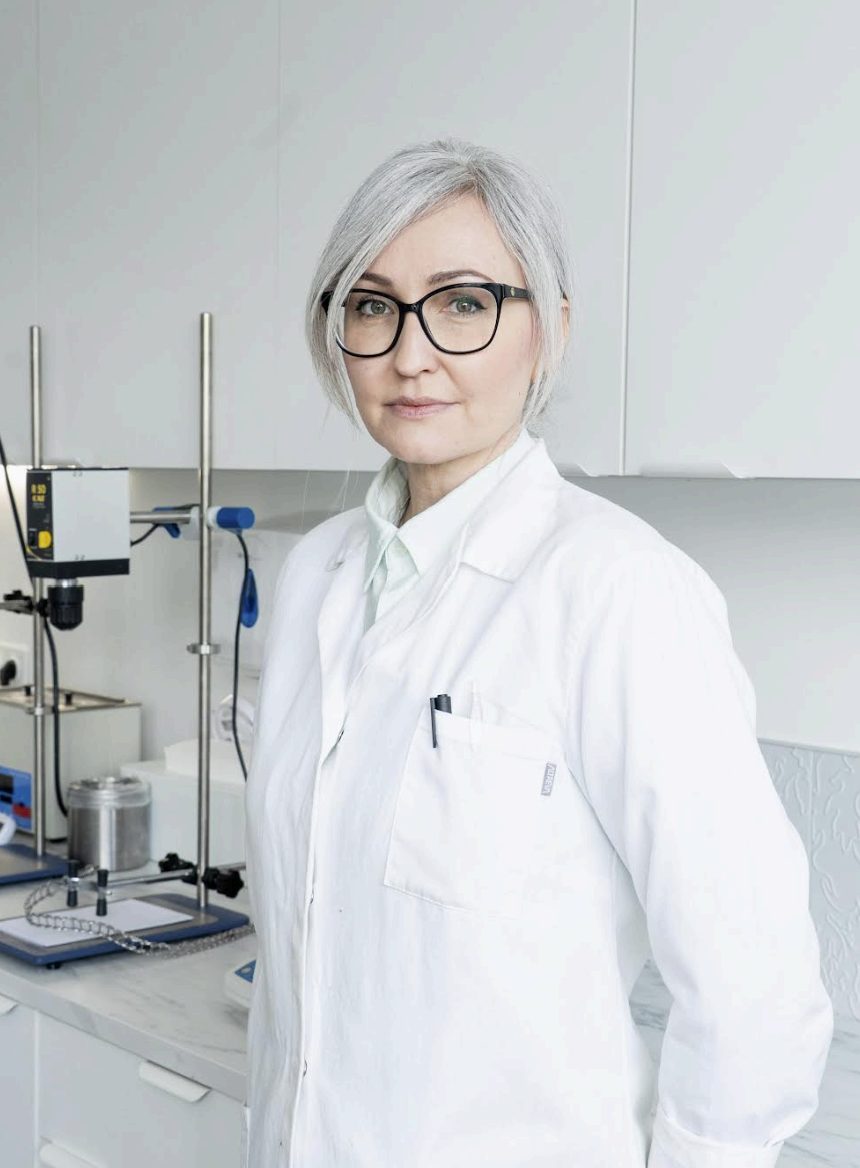
Zuzanna Fedyczak Countess Laboratories CEO
Founder | 2026.06.10

Zuzanna Fedyczak Countess Laboratories CEO

K-뷰티는 신뢰받는 성분을 다르게 설계한다

K뷰티화장품개발스킨케어

K-뷰티는 자주 패키지, 트렌드, 바이럴 제품의 언어로 이야기된다.
하지만 제품을 만드는 사람의 시선에서 보면, K-뷰티의 차이는 조금 다른 곳에 있다.

Countess Laboratories의 CEO이자 R&D Technologist인 Zuzanna Fedyczak은 최근 Cosmobeauty Seoul을 방문하며 한국 뷰티를 유럽 화장품 개발자의 관점에서 바라봤다.

그녀가 주목한 것은 새로운 성분 경쟁이 아니었다. 오히려 히알루론산, 시카, 레티놀, 티트리, 비타민 C, 나이아신아마이드, PDRN처럼 소비자가 이미 알고 신뢰하는 성분을 중심으로 제품을 설계하고 전달하는 방식이었다.

유럽이 새로운 원료, 복합 성분, 자연주의 흐름, 브랜드별 차별화에 더 집중한다면, 한국은 하나의 핵심 성분을 명확하게 보여주고 사용감과 효능의 균형을 만드는 데 강점이 있다.

이번 인터뷰에서는 Zuzanna Fedyczak에게 유럽 R&D 관점에서 본 K-뷰티의 차이, 한국 화장품 개발 방식의 특징, 그리고 바디케어 시장에서 K-뷰티가 만들 수 있는 다음 변화에 대해 물었다.

Q1. 최근 Cosmobeauty Seoul을 방문하시고, 유럽 R&D와 포뮬레이션 관점에서 한국 뷰티를 관찰하셨습니다.  K-뷰티를 소비자 트렌드가 아니라 제품 개발 전문가의 관점에서 봤을 때, 가장 인상 깊었던 점은 무엇이었나요?
가장 인상 깊었던 것은 클래식하고 검증된 성분에 대한 깊은 신뢰였습니다. 

유럽, 특히 폴란드에서는 여전히 ‘성분 경쟁’이 한창입니다. 소비자들은 끊임없이 새로움을 기대하고, 뉴질랜드, 아르헨티나, 일본처럼 먼 지역에서 온 이국적인 성분에 끌립니다. 그 결과 포뮬레이터들은 계속해서 새롭고 희귀한 원료를 찾게 됩니다. 유럽의 화장품 회사들은 종종 마케팅 성분을 통해 차별화하려고 합니다.

반면 한국에서는 거의 모든 주요 브랜드에 동일한 여섯, 일곱 가지 핵심 화장품 성분이 등장하는 것이 충분히 자연스럽게 받아들여지는 것처럼 보였습니다.

기능별 역할 구분도 꽤 확립되어 있는 듯했습니다. 보습에는 히알루론산, 진정에는 시카, 안티에이징에는 레티놀, 여드름 케어에는 티트리, 브라이트닝에는 비타민 C와 나이아신아마이드, 탄력과 리프팅에는 PDRN이 사용되는 식입니다. 브랜드 간 차이는 성분 자체보다는 그 성분의 농도에서 나타나는 경우가 많습니다. 커뮤니케이션이 하나의 히어로 성분을 중심으로 구축되기 때문입니다.

유럽에서는 특정 피부 고민을 먼저 진단한 뒤, 여러 성분을 조합해 다층적이고 시너지 있는 효과를 만드는 방식으로 화장품 라인을 설계하는 경우가 더 많습니다.

또 하나 흥미로웠던 차이는 신뢰도를 전달하는 방식이었습니다. 유럽에서는 브랜드가 품질과 혁신성을 강조하기 위해 화장품 원료의 상표명을 패키지에 자주 사용합니다. 한국에서는 이런 접근을 거의 보지 못했습니다. 대신 소비자가 이미 알고 신뢰하는 성분을 중심으로 신뢰를 구축합니다. 

아이러니하게도, 이런 클래식한 성분들 중 상당수는 현재 유럽에서는 다소 오래된 것으로 여겨지고 있으며, 이러한 성분을 중심으로 한 신제품 출시는 비교적 많지 않습니다.

Q1. You recently visited Cosmobeauty Seoul and have been observing Korean beauty from a European R&D and formulation perspective. What stood out to you most about K-beauty when you looked at it not as a consumer trend, but as a product development expert?
What struck me most was the deep trust in classic, proven ingredients.

In Europe - and particularly in Poland - we are still in the midst of an “ingredient race.” Consumers constantly expect novelty and are drawn to exotic ingredients from distant parts of the world, such as New Zealand, Argentina, or Japan. As a result, formulators are continually searching for new and rare raw materials. European cosmetic companies often try to differentiate themselves through marketing ingredients.
In Korea, however, I had the impression that it is perfectly acceptable for the same six or seven key cosmetic ingredients to appear across almost every major brand.

There seems to be a fairly established division of functions: hyaluronic acid for hydration, cica for soothing, retinol for anti-aging, tea tree for acne care, vitamin C and niacinamide for brightening, and PDRN for firming and lifting. The difference between brands often lies in the concentration of these ingredients rather than in the ingredients themselves, because communication is built around one hero ingredient.
In Europe, we more often design cosmetic lines by first diagnosing a specific skin concern and then combining multiple ingredients to create a multi-level, synergistic effect.

Another interesting difference is how credibility is communicated. In Europe, brands frequently use the trade names of cosmetic raw materials on packaging to emphasize quality and innovation. 

In Korea, I hardly noticed this approach. Instead, credibility is built around ingredients that consumers already recognize and trust. Ironically, many of these classic ingredients are now considered somewhat outdated in Europe, and relatively few new product launches are centered around them.

Q2. 한국 밖의 많은 사람들은 여전히 K-뷰티를 패키지, 트렌드, 바이럴 제품을 통해 이해합니다. 포뮬레이션과 제품 혁신의 관점에서 봤을 때, 한국 뷰티는 유럽 뷰티와 무엇이 다르다고 보시나요?
한국의 포뮬레이터들은 소비자의 구체적인 니즈를 반영한 독특한 접근 방식을 발전시켜왔습니다. 

예를 들어 더 두꺼운 진피층, 높은 피지 분비량 같은 피부 특성의 차이, 그리고 특히 높은 습도와 같은 기후 조건이 영향을 미칩니다.

그 결과 한국 화장품 제형은 보습제, 특히 다양한 글리콜에 크게 의존하는 경우가 많고, 크림젤이나 가벼운 에멀전 형태로 제시되는 경우가 많습니다. 저 역시 서울에 일주일 머무는 동안 이것을 직접 경험했습니다. 높은 습도 때문에 폴란드에서 평소 스킨케어 루틴에 사용하는 제품보다 더 가볍고 덜 유분감 있는 제품을 자연스럽게 찾게 되었습니다.

한국 화장품은 보습제를 통한 오래 지속되는 수분감에 강하게 집중하며, 사용감에도 큰 비중을 둡니다. 반면 유럽에서는 식물 추출물과 오일로 가득한, 점점 더 긴 성분 리스트를 만드는 경향이 있습니다.

또 하나 눈에 띄는 차이는 자연주의에 대한 강조입니다. 유럽에는 강한 자연주의 뷰티 흐름이 있지만, 한국에서는 같은 정도로 관찰되지는 않았습니다. 한국 브랜드들은 자연성, 감각적 만족감, 제품 성능 사이에서 실용적인 균형을 찾은 것처럼 보입니다.

때때로 유럽은 어느 정도 극단에 도달하기도 합니다. 현지 브랜드에는 매우 자연적인 제형을 기대하면서도, 소비자들이 한국 제품에는 같은 기준을 적용하지 않는 경우가 있습니다. 뛰어난 텍스처, 기분 좋은 사용감, 종종 합성 성분을 통해 구현되는 감각적 프로필, 그리고 혁신적인 제시 방식 덕분에 소비자들은 한국 화장품에 대해서는 훨씬 더 많은 것을 관대하게 받아들이는 경향이 있습니다.

제가 관찰한 바로는, 한국 제품은 보통 하나의 히어로 성분을 중심으로 만들어집니다. 그 성분이 반드시 새롭거나 혁신적인 것은 아닙니다. 그리고 그 주변을 보습 성분과 진정 성분이 받쳐주는 구조입니다. 저는 이것이 매우 합리적인 접근이라고 생각합니다.

유럽에서는 마케팅 차별화를 위해 전체 성분 복합체를 만드는 경우가 많습니다. 때로는 식물 추출물을 선택할 때도 그 색상이 브랜드의 시각적 정체성과 얼마나 잘 맞는지를 기준으로 삼기도 합니다. 또는 패키지에 두세 가지 핵심 성분을 강조하기도 합니다.

어느 한 접근이 더 우월하다고 말해야 한다면, 저는 그렇게 말할 수 없습니다. 두 시스템 모두 잘 작동합니다. 다만 서로 다른 방식으로 개별 소비자의 니즈를 충족시킬 뿐입니다. 

그 니즈는 피부 고민일 수도 있고, 시각, 후각, 촉각 같은 감각적 선호일 수도 있으며, 누군가가 자신의 스킨케어 루틴에 얼마나 많은 시간과 노력을 들일 의향이 있는지와 관련된 것일 수도 있습니다.

Q2. Many people outside Korea still understand K-beauty through packaging, trends, or viral products.  From a formulation and product innovation point of view, what do you think makes Korean beauty different from European beauty?
Korean formulators have developed a distinctive approach that reflects the specific needs of their consumers: differences in skin characteristics such as a thicker dermis and higher sebum production as well as climatic conditions, especially higher humidity levels.

As a result, Korean formulations rely heavily on humectants, particularly various glycols, and are often presented as cream-gels or lightweight emulsions. I experienced this myself during a week in Seoul, where the high humidity made me naturally gravitate toward lighter, less oily products than those I typically use in my skincare routine in Poland.

Korean formulations focus strongly on long-lasting hydration through humectants and place significant emphasis on sensory experience. In Europe, by contrast, we tend to build increasingly long ingredient lists filled with botanical extracts and oils.

Another notable difference is the emphasis on naturalness. In Europe, there is a strong natural beauty movement that I did not observe to the same extent in Korea. Korean brands seem to have found a practical balance between naturality, sensory pleasure, and product performance.

Sometimes Europe reaches certain extremes, where highly natural formulations are expected from local brands, while consumers do not apply the same standards to Korean products. Thanks to their exceptional textures, pleasant sensory profiles (often achieved through synthetic ingredients) and their innovative presentation, consumers tend to forgive much more when it comes to Korean cosmetics.

From my observations, Korean products are typically built around one hero ingredient, which is not necessarily new or innovative, and then supported with hydrating and soothing ingredients. I believe this is a very sensible approach.
In Europe, we often create entire ingredient complexes as a marketing differentiator, sometimes even selecting botanical extracts based on how their colors align with a brand's visual identity. Alternatively, brands may highlight two or three key ingredients on the packaging.
If I had to choose one approach as superior, I would say that I cannot. Both systems work well.

They simply offer different ways of meeting individual consumer needs, whether those relate to skin concerns, sensory preferences (sight, smell, and touch), or the level of commitment someone is willing to dedicate to their skincare routine.

Q3. 최근 바디케어와 이 카테고리가 새로운 혁신의 흐름을 맞이할 수 있다는 생각에 대해 글을 쓰셨습니다. 바디케어의 미래를 어떻게 보시며, 그 변화 속에서 한국 뷰티는 어떤 역할을 할 수 있다고 생각하시나요?
현재 페이셜 스킨케어에 사용되는 많은 활성 성분들이 점차 바디케어 제품으로 확장되기를 바랍니다. 

몸은 얼굴과는 조금 다른 방식으로 노화되지만, 바디 피부 역시 장벽 회복, 깊은 보습, 브라이트닝 지원이 필요합니다.

대부분의 매스마켓 바디케어 제품은 활성 성분, 고품질 오일과 버터, 효과적인 보습 인자 측면에서 여전히 상당히 제한적입니다. 오늘날 많은 바디 제품은 주로 장벽 제품처럼 기능합니다. 피부에 진정한 영양을 공급하기보다는 폐쇄 효과를 통해 간접적으로 수분을 제공하는 방식입니다. 그 결과 효과가 오래 지속되지 않는 경우가 많습니다.

동시에 바디케어 제품은 용량이 크기 때문에 상당한 비용 압박이 발생합니다. 소비자들은 일반적으로 바디로션이나 샤워젤에 큰 금액을 지출하려는 의지가 상대적으로 낮습니다.

하지만 현대 소비자들은 이미 개인 관리와 웰니스에 예산의 상당 부분을 쓰고 있습니다. 저는 많은 소비자들이 차이를 명확하게 보고 느낄 수 있다면, 고품질 바디로션에 투자할 준비가 되어 있다고 생각합니다. 저에게 진정으로 좋은 제품이란 생체적합적인 제품입니다. 피부가 이점을 얻을 수 있는 성분을 포함하고, 눈에 띄며 오래 지속되는 스킨케어 효과를 제공하는 제품입니다.

저는 소비자들이 곧 바디케어에 더 많은 것을 요구하기 시작하는 순간이 올 것이라고 믿습니다.

전시회 기간 동안 저는 한국에서 스킨케어가 진정성 있는 관심으로 다뤄지고 있으며, 전반적인 건강과 웰빙을 유지하는 일부로 여겨진다는 점을 느꼈습니다. 하지만 얼굴은 우리 전체 피부 표면적의 약 3~5%에 불과합니다. 나머지 95~97%의 피부 역시 관심을 받을 자격이 있습니다.

한국은 이 변화에서 중요한 역할을 할 수 있는 독특한 위치에 있습니다. 한국은 전 세계의 주목을 받고, 트렌드를 만들며, 새로운 아이디어로 향하는 문을 엽니다. 

한국 브랜드들이 소비자를 교육하고 바디케어 세계의 다음 큰 변화를 이끄는 데 기여할 가능성은 충분합니다.

Q3. You recently wrote about body care and the idea that this category may be ready for a new wave of innovation.  How do you see the future of body care, and what role could Korean beauty play in that transformation?
I hope that many of the active ingredients currently used in facial skincare will gradually find their way into body care products.

While the body ages somewhat differently from the face, body skin also requires barrier repair, deep hydration, and brightening support.

Most mass-market body care products remain relatively limited in terms of active ingredients, quality oils and butters, and effective moisturizing factors. Today, many body products function primarily as barrier products, providing hydration indirectly through occlusion rather than by genuinely nourishing the skin. As a result, their effects are often short-lived.

At the same time, the large volumes associated with body care products create significant cost pressures. Consumers are generally less willing to spend substantial amounts on a body lotion or shower gel.

However, modern consumers already dedicate a considerable portion of their budgets to personal care and wellness. I believe many are ready to invest in a high-quality body lotion if they can clearly see and feel the difference. To me, a truly good product is one that is biocompatible - containing ingredients that the skin can benefit from and that provide a noticeable, long-lasting skincare effect.

I believe a moment will soon come when consumers begin demanding more from body care.
During the trade show, I noticed that skincare in Korea is approached with genuine care and viewed as part of maintaining overall health and well-being. Yet the face represents only about 3–5% of our total skin surface area, leaving another 95–97% that also deserves attention.

Korea is uniquely positioned to play an important role in this evolution. It captures global attention, sets trends, and opens the door to new ideas.

It is entirely possible that Korean brands will help educate consumers and lead the next major transformation in the world of body care.


Zuzanna Fedyczak의 답변에서 흥미로운 지점은 K-뷰티를 단순한 트렌드나 패키지의 문제가 아니라, 제품 설계의 방식으로 바라본다는 점이다.

그녀가 본 한국 뷰티의 강점은 익숙한 성분을 다시 설계하는 능력에 있다. 소비자가 이미 알고 있는 성분을 중심에 두되, 제형, 사용감, 보습감, 흡수감, 효능 전달 방식을 통해 제품의 완성도를 만든다.

반대로 유럽은 새로운 원료와 복합 성분, 자연주의 흐름, 브랜드별 차별화에 더 많은 무게를 둔다. 어느 한쪽이 더 우월하다기보다, 두 시장은 소비자의 기대와 피부 고민, 사용 습관을 서로 다른 방식으로 해석하고 있다.

그녀가 말한 다음 가능성은 바디케어에 있다. 얼굴 피부에 집중되던 유효 성분과 정교한 스킨케어 접근이 몸 전체로 확장될 수 있다는 것이다.

결국 K-뷰티의 다음 역할은 또 하나의 유행을 만드는 것이 아니라, 스킨케어를 바라보는 기준을 얼굴에서 몸 전체로 넓히는 일이 될 수 있다.

PIECES Project

프로젝트 문의