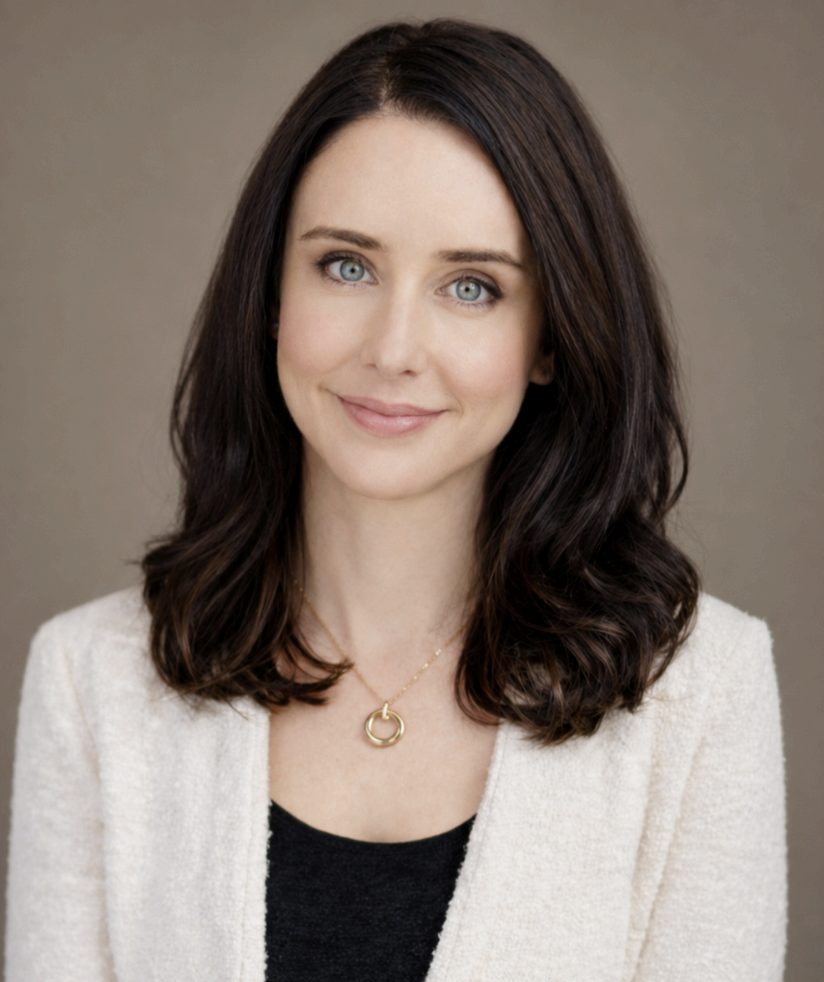
Lauren Lee Jelly Ko Founder & K-Beauty Expert
Founder | 2026.06.30

Lauren Lee Jelly Ko Founder & K-Beauty Expert

K-Beauty의 다음 성장은 한국의 혁신을 글로벌 소비자의 방식으로 번역하는 데 있다.

KBeautyBeautyBusinessGlobalBeauty

Introducing K-Beauty to the global market is about much more than just exporting products. It is about understanding an interconnected ecosystem where Korea’s manufacturing, OEM/ODM, ingredient suppliers, packaging, and brands closely intertwine—and building trust and collaboration within it.

In this interview, we sat down with Lauren Lee—a K-Beauty expert, founder of Jelly Ko, and industry consultant. We discussed the common misconceptions global founders have about the Korean beauty ecosystem, how her legal background shapes her approach to trust, contracts, and compliance, and what global consumers truly expect from K-Beauty today.

Q1. What do international founders most often misunderstand about working with Korea's beauty ecosystem? 

I think many founders expect Korea to operate like China. 

They're looking for an Alibaba-style experience with catalogues of ready-made products, white-label options or manufacturers they can simply brief over email.Korea doesn't really work that way.The strength of Korea's beauty industry isn't that it's a marketplace of off-the-shelf products. It's an ecosystem built on collaboration. Manufacturers, ingredient suppliers, packaging companies and brands work very closely together, and the best results usually come from developing products together rather than selecting something from a catalogue.That also means relationships matter. The brands that succeed approach Korea as a long-term partner in innovation, rather than simply a place to source products.

Q2. How has your background shaped the way you approach trust, contracts, compliance and partnerships? 

My legal background has made me more realistic than anything else. 

I absolutely believe in good contracts and strong compliance, but as a commercial litigator, I know that when relationships break down, the law won't necessarily deliver the outcome you hoped for. Even if you're technically right, litigation is expensive, slow and can destroy a commercial relationship. That's why I spend far more time trying to avoid disputes than preparing for them. Working across Australia and Korea has also taught me that many disputes are not truly legal problems but problems of communication. My role is translating those expectations before they become disagreements. Good contracts are important, but they should be the safety net not the starting point. The strongest partnerships are built on trust, transparency and understanding each other's commercial realities before anyone needs to refer back to the contract.

Q3. What do global consumers now expect from K-Beauty beyond trends, ingredients or product claims? 

I actually think we're entering a really interesting phase for K-Beauty because there isn't just one K-Beauty market anymore. 

For a long time, the global industry largely followed Korea's lead. Whatever was trending domestically would eventually make its way overseas, and international consumers were happy to adopt it. Today, we're seeing something different. Global K-Beauty has become its own category. Some of the most successful Korean beauty brands internationally aren't necessarily those dominating the domestic Korean market, but rather the ones designing products around how consumers in other countries (i.e. Australia, the US, Europe or the Middle East) actually use skincare. As the founder of Jelly Ko, that's been a huge part of our philosophy. We don't believe global consumers simply want whatever happens to be popular in Korea this month. They want Korean innovation that's made for them and how they use and consume products. These are products adapted to fit their routines and lifestyles.I think that's where the next chapter of K-Beauty is headed. The winners won't be the brands that only understand Korean consumers but the ones that can bridge Korean innovation with global consumer behaviour.


From Lauren Lee's perspective, K-Beauty's competitive edge no longer lies in simply exporting domestic trends abroad. 

The key is to re-engineer Korean innovation to align with the specific consumer behaviors, routines, and lifestyles of each global market.

Contracts should be viewed as safety nets rather than the foundation of a relationship; sustainable partnerships are built on trust, transparency, and a mutual understanding of each other's commercial realities. The next phase of K-Beauty growth will likely be driven not by brands that only understand the Korean consumer, but by those capable of bridging Korean innovation with the actual usage habits of global consumers.

PIECES Project

프로젝트 문의

Lauren Lee Jelly Ko Founder & K-Beauty Expert | PIECES 매거진 | PIECES 매거진