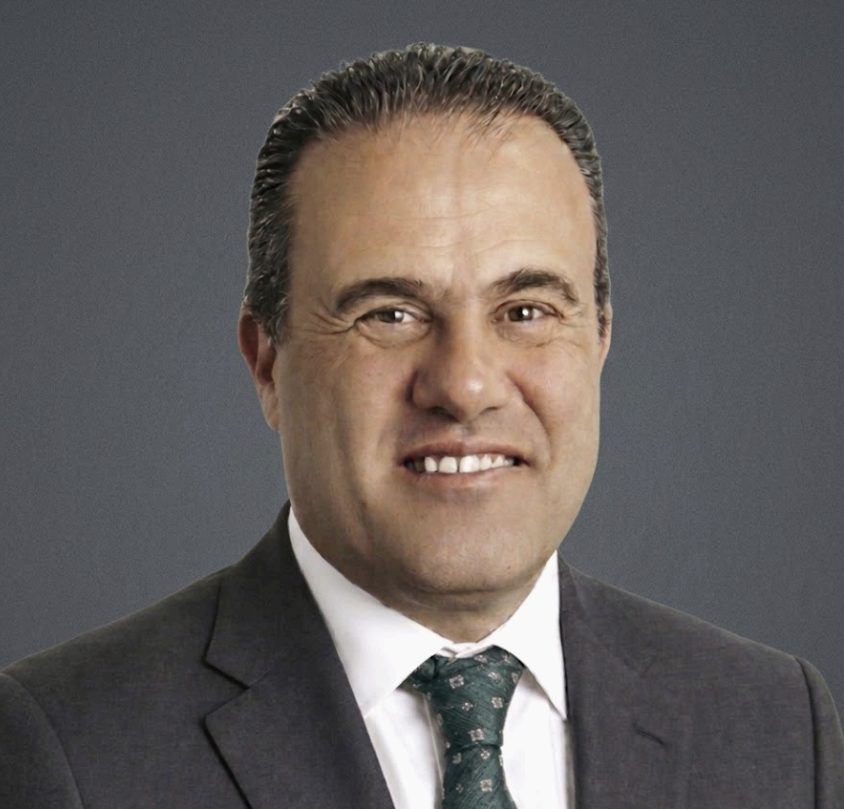
Jason Vella, CEO of Circular Economy Malta, explores the gap between global circular economy ambitions and the practical realities of implementation.
From policy and compliance to data, governance, financing, and market participation, he explains why circularity succeeds only when ambitious objectives are translated into systems that work within local economic and institutional conditions.
Q. What do you think is the biggest disconnect between global circular economy ambitions and the realities of implementing them on the ground, particularly in smaller or geographically constrained markets like Malta?
In my view, the most critical disconnect is not between ambition and willingness, but between high-level circular economy objectives and the practical conditions required to implement them effectively on the ground.
Global frameworks tend to focus on common targets, principles and outcomes, which are essential for driving direction and consistency. However, implementation takes place within very different legal, institutional, geographic and economic realities.
What works in a large integrated market may not translate directly to a small island state, a regional market with limited economies of scale, or a jurisdiction with different infrastructure and resource constraints.
