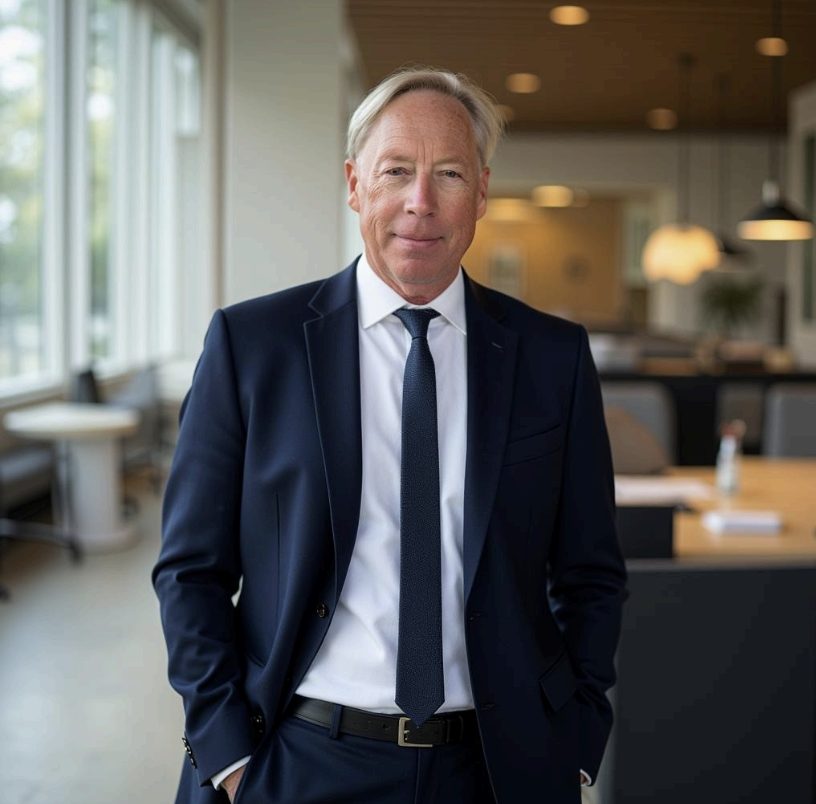
Don Southerton Founder & CEO, Bridging Culture Worldwide
Founder | 2026.07.13

Don Southerton Founder & CEO, Bridging Culture Worldwide

두 시스템 안에서 신뢰를 얻는 한미 비즈니스 리더십

CrossCulturalLeadershipKoreaUSBusinessGlobalMarketEntry

Don Southerton, who has advised companies on market entry and organizational operations between Korea and the United States for over two decades, emphasizes that global business is not merely about explaining one side's approach to the other. Rather than stubbornly sticking to familiar playbooks for success, companies need leaders who understand local decision-making and trust structures—leaders who can earn credibility within both systems simultaneously. In this interview, we explore why Korean companies face challenges when entering the U.S. market and discuss the leadership required for sustainable global expansion.

Q1. After more than two decades of working between Korea and the United States, what belief about cross-cultural business did you hold early in your career that you no longer agree with today?

Early on, teams sent overseas, or staffing a Korean group's foreign operations, typically had only local Korean work experience and were groomed in that company's norms, expectations, and practices. 

That worked well inside Korea but poorly in cross-border situations.
Today’s global teams have a much stronger grasp of international business norms. This is the result of study and travel abroad, Korean and international university programs, and broad exposure to Western culture. Layer on the fact that most major chaebol, as well as startups, have pivoted from traditional Korean practices toward Western business norms and best practices. Language, too, is far less of a barrier than it once was.

Q2. When Korean companies struggle in the United States, is the deeper issue usually a misunderstanding of the market, or a misunderstanding of how authority and trust are built within American organizations?
Honestly, it’s usually neither one alone. It’s the speed of adaptation. 

The challenge, and it isn’t unique to Korean organizations, is how quickly a company can adjust to the local business environment, which is often very different from the successful, time-proven approach that built its home-market operations.
What makes it hard is that the very playbook that earned a Korean company its success at home, from the decision-making cadence to the reporting lines to the way authority and trust are established, is what an American team reads differently. So, I find, a misread of the market and a misread of how trust gets built inside a U.S. organization tend to show up together.
The companies that struggle are usually the ones trying to run the local operation on headquarters’ timing and assumptions rather than adapting to how business actually gets done on the ground.

Q3. As business ties between Korea and the United States continue to deepen, what kind of leaders will be needed, not simply to represent one country to the other, but to operate credibly within both systems?
The most successful Korean market entries in the U.S. and globally take time to learn and adapt to local nuance. 

There’s no shortcut. Just as with bringing a foreign brand into Korea, success always depends on finding the right partners and local leaders.
The leaders who matter most aren’t the ones who simply represent one side to the other. They’re the ones who can operate credibly inside both systems at once, fluent in headquarters’ expectations while earning genuine trust with local teams and partners. That means knowing when to apply the Korean approach and when to defer to local practice, and having the standing on both sides to make that call stick. I find, those people are rare, and building or finding them is what separates the entries that endure from the ones that stall.


The success of global expansion depends not on how rigidly a company holds onto its headquarters' playbook, but on how quickly and accurately it embraces local realities. 

We need leaders who go beyond merely translating between two cultures—leaders who deeply understand the expectations of both sides and can discern which approach to apply depending on the situation. Don Southerton’s insights demonstrate that the rarest competitive advantage in global business is, ultimately, the ability to be trusted within both systems simultaneously.

PIECES Project

프로젝트 문의

Don Southerton Founder & CEO, Bridging Culture Worldwide | PIECES 매거진 | PIECES 매거진