A strong technology may open the door, but it does not guarantee that capital will move.
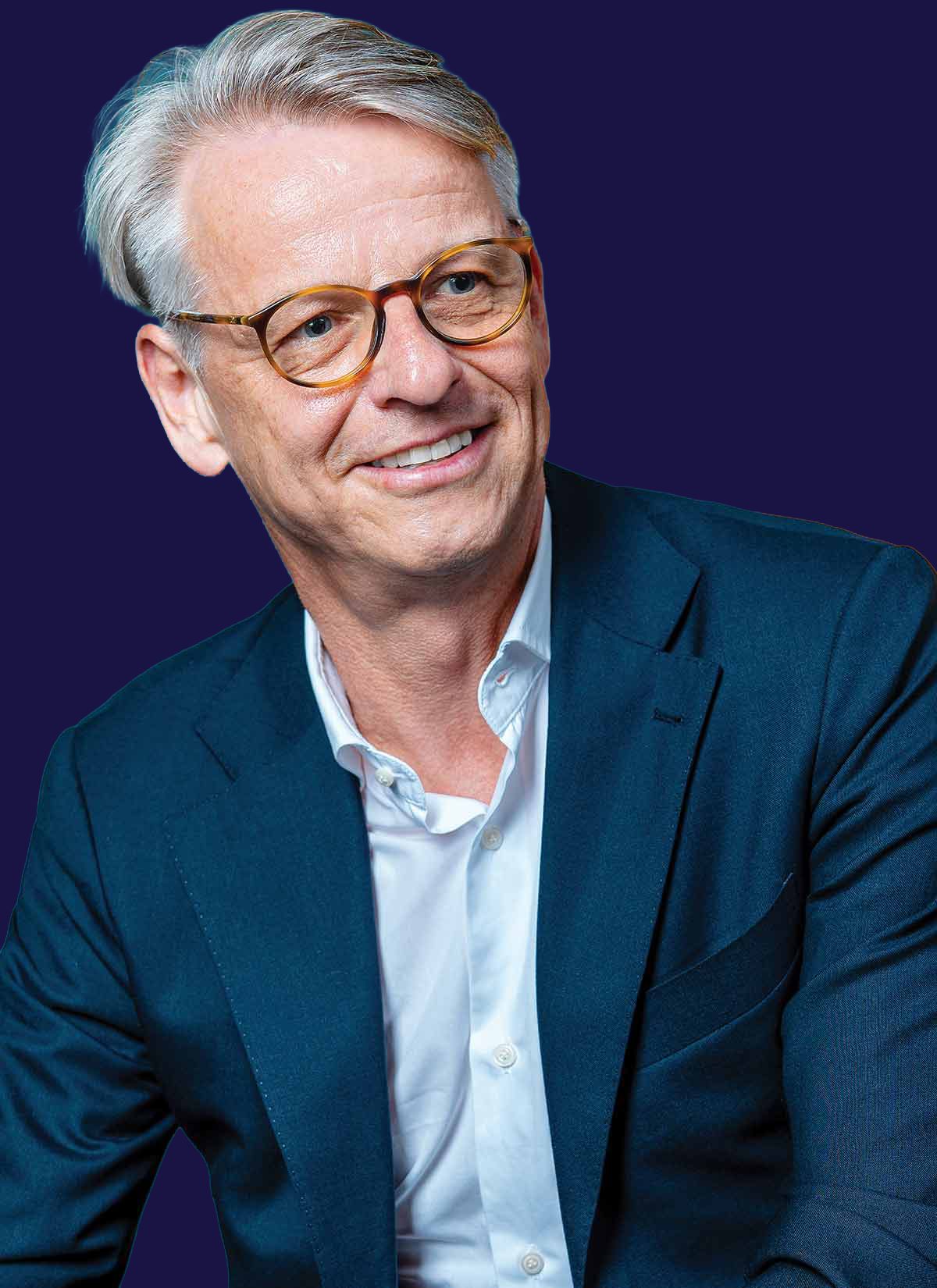
Carl Härtlein, Founder and Managing Director of Saint Clair, has spent three decades working across technology, investment, and international business between Europe and Asia. His work is shaped by what he calls “Capital Diplomacy”—the process of building the trust, understanding, and relationships required before a transaction can take place.
In this interview, Carl explains why capital ultimately follows institutional structure, how relationships and governance serve different purposes, and why European and Korean partners often misunderstand each other’s signals of commitment.
Q1. You often describe investment as a form of diplomacy rather than finance. What does "Capital Diplomacy" really mean in practice?
By the time money changes hands, the real work is already finished.
That work has two names at Saint Clair: Capital Diplomacy, which is how we build the relationship, and Capital Architecture, which is what we build once the relationship can carry it, the governance, the vehicle, the mechanism that actually gets capital across.
One is how you enter the room. The other is the room itself.
Three decades in technology and investment have taught me the same lesson in every corridor I've worked, the Korea Corridor very much included: a genuinely good opportunity stalls at the border far more often for lack of a relationship than for lack of merit.
In practice, four things matter. Trust before transaction: understanding a counterpart's governance, incentives and constraints before proposing anything, which can take months, sometimes years. Insight as currency: showing up early with understanding rather than an ask.
Facilitation over extraction. The job is to get both sides across, full stop. And discretion, because capital moves quietly long before it moves publicly, and the firms that respect that sequence are the ones asked back.
The architecture side rarely gets noticed, and it carries just as much of the weight. Someone still has to design the governance and build the vehicle that can actually carry capital across, in a form both sides recognise as sound.
That work is patient and unglamorous, and it only holds once the diplomacy has already done its job: hand somebody a perfectly engineered structure before they trust you, and all you've handed them is paperwork.
Diplomacy, between states, has always meant understanding another party's constraints closely enough to design an agreement neither side could have proposed alone. Apply the same discipline to markets instead of countries and you have the whole of what I do.
The relationship is the asset. Everything else compounds off it.
Q2. Many founders believe capital follows innovation. From your experience, does capital follow technology, trust, or something else entirely?
Founders would like technology to be sufficient. I understand why: it would mean the world rewards the best idea, full stop.
Sitting on the capital side of this question, as an investor, I've watched it work differently often enough to trust the difference.
Technology gets the conversation started, and I don't discount that. But by the time capital actually crosses a border, the technology has usually already convinced everyone it needed to convince. What decides whether the money moves is plainer than that: whether the structure in front of the capital, the cap table, the governance, the reporting, looks like something the capital's own institution already knows how to trust.
The Korea Corridor is the clearest version of this I've seen right now. Plenty of Korean venture funds are performing well by any domestic measure, and their own investors are increasingly asking for that performance back as cash rather than as a number on a page.
