What happens when creators stop licensing their names to brands and start building brands of their own?
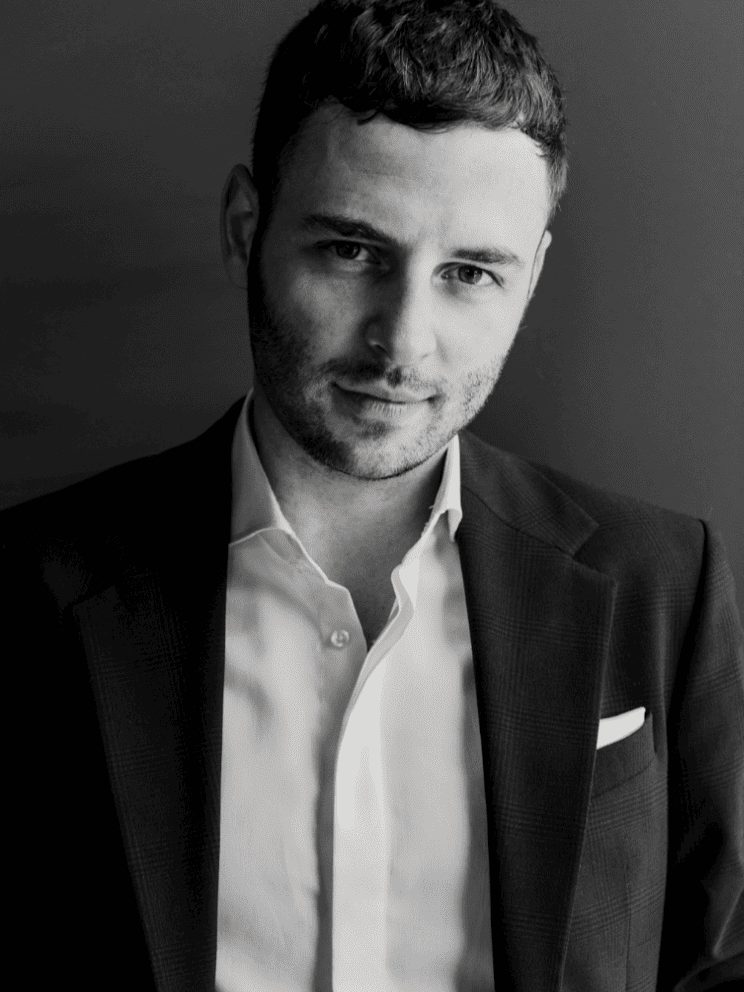
For Andrzej Suwara, the answer is a new model of beauty entrepreneurship — one where creators keep the creative control and ownership, while an experienced partner manages the complex work behind the scenes.
Through Cleansery®, Andrzej connects creators with a network of manufacturers and laboratories across Europe, coordinating everything from strategy and formulation to compliance, production and e-commerce.
In this conversation, we explore the rise of creator-led beauty, the gap between manufacturing and market, and why the future of beauty may belong to founders who already have something more valuable than a product: a trusted community.
Q1.What problem do you solve, and what makes your approach different?
Cleansery® is a creator-led beauty brand house based in Kraków. We build complete, launch-ready cosmetics brands for content creators, founders and influencers — from strategy, concept and formulas to custom packaging, compliance, production and e-commerce development.
We work with driven founders & creators who have real, trust-based communities (typically from 50k+ engaged followers) who want to own a brand.
Since 2021, we've helped amazing founders build brands and set up supply chain across skincare, hair care, makeup and wellness.
We are a boutique company, so we add only several new clients annually who we see potential and feel flow.
We coordinate a vetted network of 250+ manufacturing & laboratory partners across Europe. Instead of running a single production line, we match each product to the right specialist lab that we know can deliver the best product.
The creator makes every strategic decision — product, positioning, packaging feel — with our guidance, and we run most of the 300+ operational decisions behind every brand — formula development, compliance, CPNP notification, packaging sourcing and production.
This approach makes creating a brand more fun, less stressful and doesn’t require chemical knowledge from the founder.
We’re not a factory — we’re the layer between a creator and the factory floor, so creators never have to manage dozens of suppliers themselves.
Most manufacturers understand chemistry; very few understand what a creator actually needs — how their content calendar works, what their community responds to, why a launch has to move at their pace, not a factory’s.
We work in their language: DMs, not procurement forms.
That combination — production expertise plus a genuine understanding of social, e-commerce and the creator economy — is what most of the industry is still missing.
Ownership is also important to us. I believe the brand must belong to the founder in majority ownership. We are either a supplier that in time becomes a trusted partner, without equity, or we can co-invest into interesting founders and hold small equity up to 12–25% — control is always in the creator’s hands.
Q2. What are you seeing in the Polish beauty & private label market?
Poland has very strong manufacturing infrastructure, but going from manufacturing to market is a long way. It’s not enough to create a product and try to sell it. There should already be distribution or community before the launch.
Most of the industry here still treats creators as a gimmick or burden. We treat them as a very important piece of their brand and people who just need help to set up, operate and scale.
They do what they do best — content and creative control — and we do the rest of the operational work.
While in the US, creator-led brands are the most important part of retail chains, and big corporations buy and invest in them because legacy brands are losing market share faster than ever.
On the other hand, not everyone can be a brand founder. Creating a brand is a complex task and scaling it is even harder.
Larger projects with MOQs starting from 2,000–5,000 pieces per product are usually complex in terms of packaging, innovation and originality. This is where future founders need long-term plans and the right partners who will help not only in the first batch but with scaling, new categories, innovative packaging and formulas.
