Global expansion in K-Beauty does not end with exporting products. For consumers encountering unfamiliar ingredients, routines, and brands for the first time, what matters is not simply more information, but a structure of trust that helps them make confident choices.
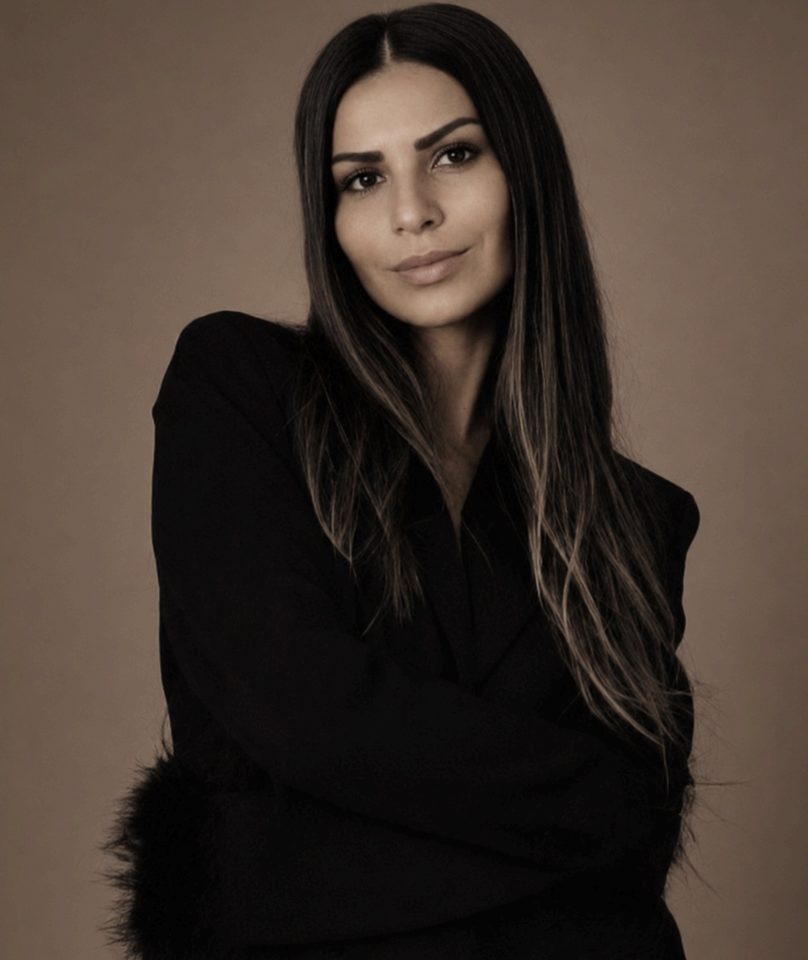
In this interview, we speak with Andrea Acevedo Zalaquett, Founder & CEO of TiendaM20 and Creator of M20 Seoul, about what K-Beauty needs in order to be understood in Chile and Latin America: localization, consumer education, and the long-term trust required to build a real market.
K-Beauty의 글로벌 확장은 제품을 해외로 보내는 일에서 끝나지 않는다. 낯선 성분, 루틴, 브랜드를 처음 만나는 소비자에게 필요한 것은 더 많은 정보가 아니라, 자신에게 맞는 선택을 할 수 있도록 돕는 신뢰의 구조다.
이번 인터뷰에서는 칠레에서 TiendaM20을 운영하고 M20 Seoul을 만든 Andrea Acevedo Zalaquett에게 K-Beauty가 칠레와 라틴아메리카 시장에서 받아들여지기 위해 필요한 현지화, 소비자 교육, 그리고 장기적인 브랜드 신뢰의 조건에 대해 물었다.
Q1. Many Korean beauty brands think global expansion begins with exporting products. But in a market like Chile, what is the most important thing that needs to be “translated” when introducing K-Beauty to consumers?
The most important thing to translate is not the product itself, but trust.
Many Chilean consumers are interested in K-Beauty, but they often feel overwhelmed by unfamiliar ingredients, multi-step routines, and brands they have never heard of before. They need more than information; they need guidance.
Based on my experience building TiendaM20 over the past decade and now developing M20 Seoul, I believe consumers are no longer simply buying products. They are making decisions. Our role is to help them understand what a product does, why it matters, and whether it is right for them.
Education, local language, real customer experiences, and trusted recommendations are often more important than product specifications themselves.
A product can be exported, but trust must be built locally. When consumers feel confident in their choices, K-Beauty becomes part of their lifestyle rather than just a trend.
Q1. 많은 한국 뷰티 브랜드들이 해외 진출의 시작을 '제품 수출'이라고 생각합니다. 하지만 칠레와 같은 시장에서, K-뷰티를 소비자들에게 소개할 때 가장 중요하게 '번역(전달)'되어야 하는 것은 무엇인가요?
가장 중요하게 번역되어야 하는 것은 제품 그 자체가 아니라, 바로 '신뢰'입니다.
많은 칠레 소비자들이 K-뷰티에 관심을 가지고 있지만, 동시에 낯선 성분, 여러 단계의 루틴, 그리고 들어본 적 없는 브랜드들 때문에 종종 어렵고 복잡하게 느끼기도 합니다. 이들에게는 단순한 정보 이상의 '가이드(안내)'가 필요합니다.
지난 10년간 '티엔다M20(TiendaM20)'을 키워오고, 현재 'M20 서울(M20 Seoul)'을 개발하며 얻은 제 경험에 비추어 볼 때, 이제 소비자들은 단순히 제품을 사는 것이 아니라 '결정'을 내리는 것이라고 생각합니다. 저희의 역할은 제품이 어떤 기능을 하는지, 왜 중요한지, 그리고 그것이 본인에게 맞는 제품인지를 소비자가 이해할 수 있도록 돕는 것입니다.
교육(정보 제공), 현지 언어, 실제 고객의 경험, 그리고 신뢰할 수 있는 추천은 종종 제품 사양 그 자체보다 더 중요합니다.
제품은 수출할 수 있지만, 신뢰는 현지에서 쌓아야 합니다. 소비자들이 자신의 선택에 확신을 가질 때, K-뷰티는 단순한 유행을 넘어 그들의 라이프스타일의 일부가 됩니다.
Q2. When you decide whether a Korean beauty brand is ready for the Chilean market, what do you look at beyond the product itself?
A good formula is only the starting point.
Beyond the product, I look at whether the brand solves a real consumer need, whether its value can be clearly communicated, and whether it can build long-term trust.
Today, consumers arrive with research already done. They compare ingredients, read reviews, follow trends, and look for evidence before purchasing. Because of that, product selection has become much more strategic.
I ask questions such as: Does this product offer a meaningful difference? Can consumers easily understand its benefits? Does it fit the needs of the local market? Can it earn repeat purchases rather than only initial curiosity?
The brands that succeed are usually not the loudest. They are the ones that combine product quality, education, consistency, and a genuine commitment to the market.
