A compelling idea may attract attention, but it is rarely what makes a startup sustainable. What matters is whether founders can validate a real problem, understand who they serve, learn from limited information, and execute consistently as conditions change.
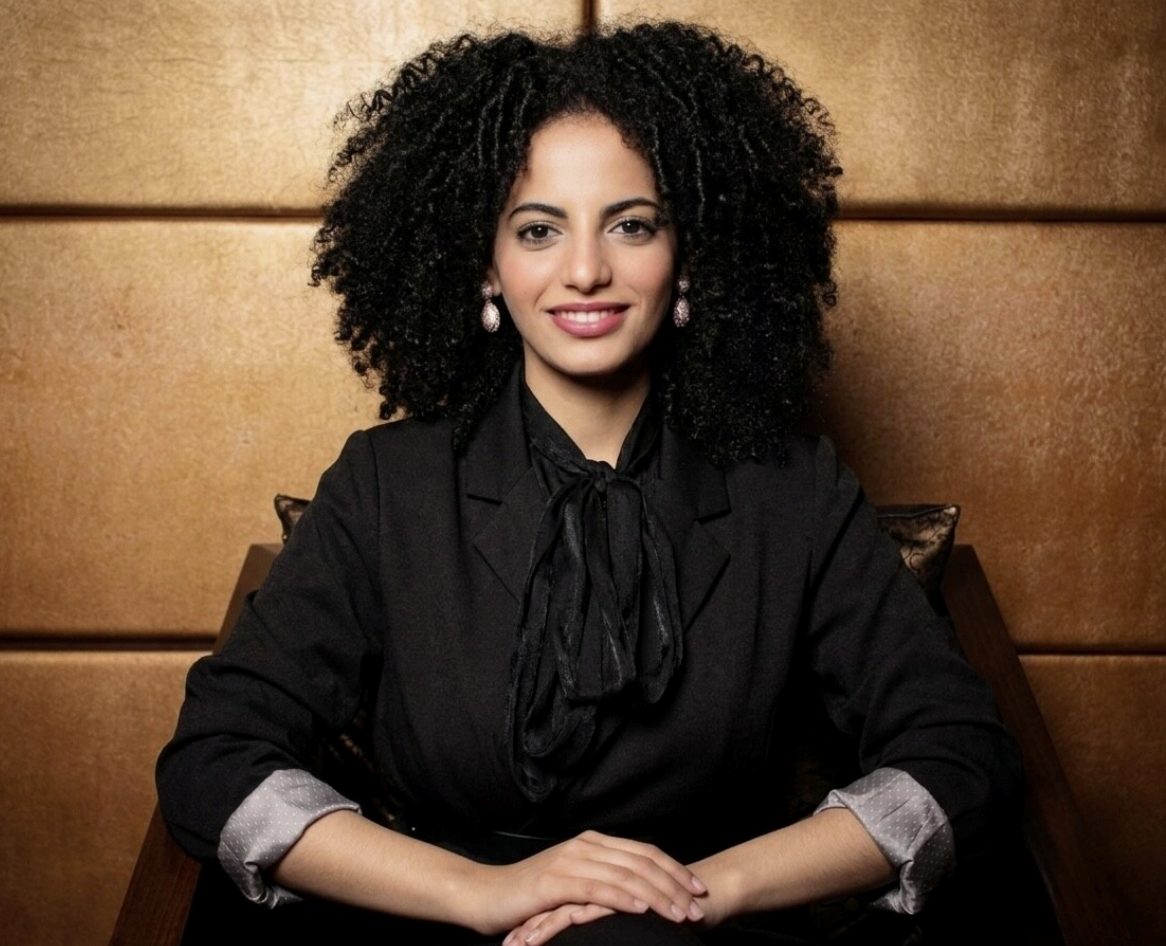
Amahali W., Founder and CEO of KO-NECT AI, works with founders and investors across international markets. She argues that becoming investor-ready is not about producing a polished pitch deck or telling the perfect story. It is about reducing uncertainty through evidence—whether that comes from customer interviews, early adoption, revenue, retention, partnerships, or measurable engagement.
In this interview, she discusses why execution matters more than the original idea, what investors need to see before committing capital, and why successful international expansion begins with listening and adaptation rather than simply repeating what worked in another market.
Q1. You have said that many startups fail not because they lack ideas, but because they lack clear execution. What separates a founder with an interesting idea from one who is genuinely capable of building an investable and sustainable company?
People often romanticize ideas, but ideas are rarely the reason a startup succeeds, execution is.
The founders who build sustainable companies are the ones who systematically reduce uncertainty. They validate the problem before designing the solution, understand exactly who they are serving, and remain willing to change their assumptions when the market proves them wrong.
An investable founder is not necessarily the most experienced or the most technical. It is someone who demonstrates the ability to learn quickly, make informed decisions with limited information, and execute consistently over time. Investors ultimately back execution capability more than ideas because they know the original idea will almost certainly evolve. I also believe founders should stop asking, "How do I build my product?" before asking, "Should this product exist in this form at all?"
The quality of the questions a founder asks often predicts the quality of the company they will build.
Q2. Founders are often advised to become “investor-ready,” but the term can remain vague. What concrete evidence should a startup build before approaching investors, and which signals are commonly overestimated?
Being “investor-ready” is not about having a polished pitch deck or a compelling story. It is about reducing perceived risk.
Before approaching investors, founders should be able to demonstrate evidence that customers genuinely experience the problem, that people are willing to adopt their solution, and that the team has the ability to execute. Depending on the stage, this evidence might include customer interviews, early users, revenue, retention, pilot projects, partnerships, or measurable engagement.
