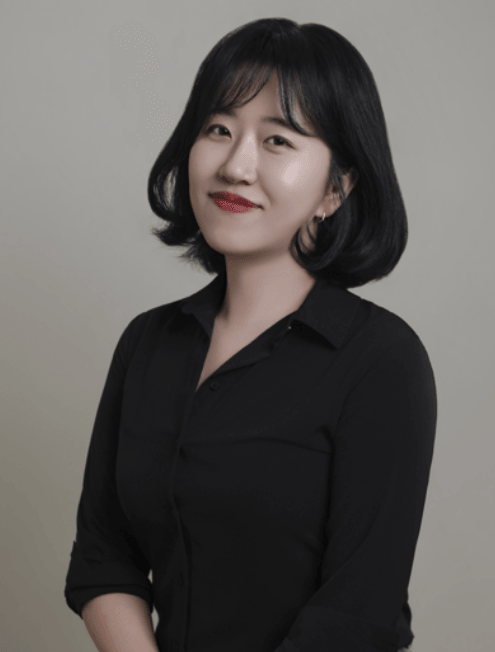
Seokmi Hong, Team Lead
Finance & Investment · Leader | 2026.05.05

Seokmi Hong, Team Lead

A startup connector discovering the core of early-stage ventures.

Q1. 먼저 본인 소개와 현재 대전창조경제혁신센터에서 하고 계신 일을 간단히 소개 부탁드립니다.

안녕하세요, 스타트업의 시작부터 성장, 투자까지 함께하는 전략실행가 홍석미입니다. 

현재 지역 창업 생태계의 허브인 대전창조경제혁신센터에서 딜소싱부터 펀드 운용, 투자 프로그램 기획·운영까지 담당하고 있습니다. 거창하게 표현하자면 '스타트업 커넥터'라고 불러주시면 좋겠습니다. 

센터의 액셀러레이팅 프로그램 Startup:D(스타트업:디, Startup:Daejeon)를 통해, 초기 투자 단계에 있는 스타트업을 발굴하고 아이템 고도화 작업을 함께 진행하고 있습니다.


Q2. 스타트업 액셀러레이터로 일하시게 된 계기는 무엇인가요?

우연이었습니다. 

졸업 학기에 채용 게시판에서 창업기관에 신입 공고를 보고 입사한 것이 시작이었습니다. 당시만 해도 '창업'이라는 단어가 지금처럼 활성화되지 않았던 때라, 창업 관련 업무를 한다고하면 "치킨집 차리냐"고 되묻는 분들도 계셨습니다. 그런데 수많은 창업가들을 만나면서 정말 다양한 세계를 접하게 되었고, 그분들로부터 '도전의 가치'를 배웠습니다. 

솔직히 말씀드리면, 저에게는 없는 용기였기에 더 멋있어 보였습니다. 저는 창업 DNA가 없다고 스스로도 말하지만, 창업을 꿈꾸는 분들이 성공하기를 진심으로 바랍니다. 

제 일이 그 성공에 조금이라도 기여할 수 있다면 그것으로 충분합니다.


Q3. 초기 기술 스타트업을 볼 때 가장 중요하게 보는 기준은 무엇인가요?

두 가지를 봅니다. 

1. '설득력'

사업계획서든 IR 자료든, 해당 아이템의 사업화 논리가 저 자신을 먼저 설득하는지, 나아가 제가 제3자에게 설명했을 때 납득시킬 수 있는지를 기준으로 봅니다. 창업가 본인의 논리 안에서는 당연한 스토리도, 외부인의 시각에서는 설명이 필요한 지점이 생기곤 합니다. 

2. '창업자(팀)'

저는 초기 아이템으로 EXIT까지 유지하기는 정말 어렵다고 봅니다. 당연히 시장의 흐름에 따라 비즈니스 방향은 바뀔 수 있습니다. 그걸 바꿀 수 있는 게 바로 '창업자'라고 생각합니다. 초기 라운드에서 가장 큰 변수이자 본질은 결국 사람입니다. 저는 투자를 '승선'에 비유하곤 합니다. 어떤 배에, 어떤 선장과 함께 타느냐 가 중요합니다. 상호 합의한 목적지도 선장에 따라서 바꿔버릴 수 있을테니까요.


Q4. 스타트업이 초기 단계에서 가장 자주 놓치는 부분은 무엇이라고 생각하시나요?
1. '코어(Core)의 부재'입니다. 

초기 단계에서는 평가·멘토링·네트워킹을 통해 수많은 의견을 듣게 됩니다. 

그때마다 전면 개편을 반복하는 경우가 있는데, 이는 사업의 중심축이 정립되지 않았기 때문입니다. 의상 스타일이 안 어울린다고 사람을 바꾸는 것과 같습니다. 외부 의견을 수렴하기 전에, 먼저 '우리 사업의 코어가 무엇인지'를 스스로 정의해야 합니다. 

그래야 수많은 조언들 중에서 코어를 더 돋보이게 하는 요소를 선별할 수 있습니다.

2. '투자를 목적으로 착각하는 것'입니다. 

목적지로 가는 길에 교차로는 여러 번 있지만, 교차로에 머무는 것이 목적은 아닙니다. 초기 정부 지원으로 사업화 자금을 확보하고, PoC나 오픈 이노베이션 등의 지원을 받고 난 뒤에는, 궁극적으로 수익 창출 활동으로 나아가야 합니다. 

과정에서 투자는 수단이어야 하는데, 투자 유치 자체가 목적이 된 경우를 보면 정말 안타깝습니다. 마치 회전 교차로에서 계속 돌고만 있는 것과 같습니다.


Q5. 앞으로 더 많이 발굴하고 지원하고 싶은 스타트업이나 창업자의 모습이 있다면 말씀 부탁드립니다.

굳이 한 가지를 꼽는다면, 자기 사업의 코어를 스스로 설명할 수 있는 창업자입니다. 

화려한 IR보다, 자신이 왜 이 문제를 풀어야 하는지를 명확히 아는 사람과 함께하고 싶습니다.

창업의 성공 방정식은 없습니다. 그런데 실패에는 예고가 없습니다. '수학의 정석'처럼 모두에게 적용되는 성공의 공식은 없지만, 저마다의 성공 서사는 쌓아갈 수 있습니다. 성공하면 영웅의 일대기가 되고, 실패하면 개인의 일기장으로 남는 것이 초기 창업의 현실입니다. 

생각보다 유사한 아이템은 많고, 상상을 초월하는 아이템이 성공하기도 합니다. 

수많은 비평에도 넘어지지 않고, 그럼에도 불구하고 '도전'을 선택한 창업자들을 지금껏 만나왔고, 앞으로도 더 많이 만나고 싶습니다.


Q1. Please briefly introduce yourself and your current role at the Daejeon Center for Creative Economy & Innovation.

Hello, I’m Seokmi Hong, a strategy and execution professional who works alongside startups from their earliest stages through growth and investment.

I currently work at the Daejeon Center for Creative Economy & Innovation, a hub for the regional startup ecosystem, where I am responsible for deal sourcing, fund management, and the planning and operation of investment programs. To put it more broadly, I would be happy to describe myself as a “startup connector.”

Through the Center’s accelerating program, Startup:D—short for Startup:Daejeon—I discover early-stage startups and work with them to refine and strengthen their business ideas.

Q2. What led you to become a startup accelerator?

It happened by chance.

During my final semester at university, I saw an entry-level position at a startup support organization on a recruitment board and decided to apply. At the time, the word “startup” was not nearly as widely understood as it is today. When I told people I worked in entrepreneurship, some would even ask, “Are you helping people open fried chicken restaurants?”

But as I met more and more founders, I was introduced to entirely different worlds and learned from them the value of taking on a challenge.

To be honest, their courage impressed me precisely because it was something I felt I did not possess myself. I often say that I do not have the entrepreneurial DNA to become a founder, but I genuinely want those who dream of starting a business to succeed.

If my work can contribute to that success, even in a small way, that is enough for me.

Q3. What are the most important criteria you consider when evaluating an early-stage technology startup?

I focus on two things.

1. Persuasiveness

Whether it is a business plan or an investor relations presentation, I first ask whether the commercialization logic behind the idea can persuade me. I then consider whether I could explain it to a third party in a way that they would also find convincing.

A story that feels completely logical from the founder’s perspective may still contain gaps that require further explanation from an outsider’s point of view.

2. The founder and the team

I believe it is extremely difficult for a startup to reach an exit with exactly the same idea it had at the beginning. A company’s direction will naturally change as the market evolves.

The person capable of making those changes is the founder.

At the early stage, the greatest variable—and the most important element—is ultimately the people. I often compare investment to boarding a ship. What matters is which ship you board and which captain you choose to travel with.

Even a destination agreed upon in advance may change depending on the captain.

Q4. What do startups most often overlook during the early stages?

The first is the absence of a clearly defined core.

At the early stage, founders receive countless opinions through evaluations, mentoring sessions, and networking. Some respond by repeatedly overhauling the entire business whenever they receive new feedback.

This usually happens because the central foundation of the business has not yet been established. It is like replacing the person simply because their clothing style does not suit them.

Before accepting external opinions, founders must first define the core of their business for themselves. Only then can they distinguish between advice that strengthens that core and advice that distracts from it.

The second is mistaking investment for the ultimate objective.

There may be many intersections along the road to a destination, but remaining at an intersection is not the purpose of the journey.

After securing commercialization funding through government support programs or participating in proof-of-concept and open innovation initiatives, startups must ultimately move toward generating revenue.

Investment should be a tool within that process. It is unfortunate when raising investment itself becomes the goal. It is like driving around a roundabout without ever taking an exit.

Q5. What kinds of startups or founders would you like to discover and support more of in the future?

If I had to choose one quality, it would be founders who can clearly explain the core of their own business.

Rather than someone with a highly polished investor presentation, I want to work with people who clearly understand why they must solve the problem they have chosen.

There is no universal formula for startup success. At the same time, failure rarely announces itself in advance. There is no standard equation that applies to everyone, but every founder can build their own story of success.

When a startup succeeds, that story becomes the journey of a hero. When it fails, it often remains only in the founder’s private journal. That is the reality of early-stage entrepreneurship.

There are far more similar business ideas than people realize, while ideas that seem almost unimaginable sometimes succeed.

I have met many founders who continued to choose challenge despite criticism and repeated setbacks. I hope to meet and support many more of them in the future.


PIECES Project

Business